What is a Micro Batch Feeder used for?
A Micro Batch Feeder is used to feed controlled quantities of powders, granules and fillers during batching and dosing operations. It is useful where consistent material quantity is important.
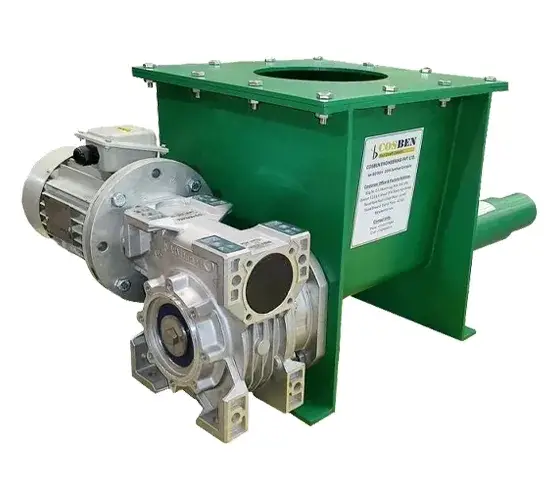
Batch Feeding
Micro batch feeder
A Micro Batch Feeder is precision equipment designed to feed controlled quantities of powders, granules and fillers during batching and dosing operations. It is useful where consistent material feeding and accurate proportioning are important to product quality. Saksham Industrial Engineers supplies micro batch feeding solutions for food, chemical, pharmaceutical, plastics and construction-material applications, with designs suited to different process requirements.
A Micro Batch Feeder is designed for controlled feeding and dosing of relatively small quantities of bulk materials. It helps industrial plants maintain consistency when powders, granules or fillers must be introduced into a process in measured quantities rather than simply transferred in an uncontrolled flow.
The equipment is particularly useful in batching applications where variations in material quantity can affect formulation, processing or final product quality. The feeder uses a screw-based feeding arrangement with an agitator system to support smooth material movement and reduce problems such as bridging and clogging.
Saksham Industrial Engineers provides micro batch feeding solutions for applications across food processing, chemicals, pharmaceuticals, plastics and construction materials. The company's Ghaziabad product page identifies the equipment as suitable for powders and granules and highlights precision feeding, anti-bridging operation, easy installation and low maintenance.
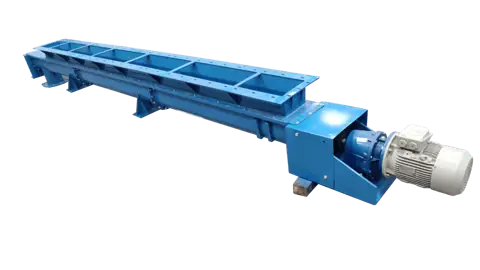
The construction of a micro batch feeder is centred around a material holding and feeding arrangement, screw mechanism, drive system and agitator. According to the available product information, construction can be specified in Mild Steel or Stainless Steel, depending on application requirements.
The screw conveys material from the feeding section toward the discharge point. Single- or twin-screw configurations can be considered based on the characteristics of the material and the desired feeding arrangement. The agitator supports material movement and is particularly relevant where powders may bridge or become difficult to discharge.
Mounting can be selected as stand-alone or hopper-mounted according to the plant layout. The available product information identifies the MBF-Series and indicates a feeding capacity range of 0.5 to 200 litres per batch, with feeding accuracy listed as ±1%. Final configuration should be confirmed against the actual application before purchase.
The operating sequence is straightforward:
This controlled sequence helps make the feeding stage more repeatable than manual material addition, particularly when the recipe or process requires measured quantities.
Micro batch feeders are useful wherever small quantities of bulk material need to be introduced into a production process in a controlled manner. In food processing, they can be used for dosing ingredients such as powders and additives. Chemical and pharmaceutical operations can use controlled feeding for suitable powdered materials where consistency in formulation is important.
In plastics processing, the feeder can be applied to the controlled addition of granules or powdered materials. Construction-material plants can use the equipment for feeding materials such as fillers and other bulk ingredients. The exact suitability depends on material characteristics, batch requirements and process conditions.
Relevant industries include:
These sectors can benefit from controlled material dosing when accurate batching and repeatable feeding are important production requirements.
A properly selected micro batch feeder can provide several practical advantages:
Reliable performance depends on selecting the feeder according to the material being handled, required batch quantity and operating conditions. Screw selection, agitator arrangement, construction material and control configuration should therefore be matched to the actual application.
The verified product information highlights precision feeding, anti-bridging performance, durable construction and low maintenance as important characteristics. Regular inspection and cleaning of the feeding mechanism, agitator and drive components should be incorporated into the plant's maintenance routine. For application-specific performance requirements, Information required before publishing.
Before purchasing a micro batch feeder, buyers should provide the manufacturer with clear process information. Important considerations include:
Providing these details allows the equipment configuration to be evaluated against the actual production requirement rather than selecting a feeder based only on nominal capacity.
Saksham Industrial Engineers was established in 2011 and operates as a supplier and consultant for bulk powder handling solutions. Its product portfolio includes feeding, conveying, screening, mixing, dosing, unloading and related material-handling equipment. The company states that it provides technical consultancy and works through partnerships with global manufacturers.
For buyers evaluating a micro batch feeding system, this broader powder-handling capability can be useful when the feeder needs to work as part of a larger material-handling process. Application requirements, configuration and customization should be discussed with the company's technical team before finalizing the equipment.
Depending on the process arrangement, buyers may also need related Saksham Industrial Engineers equipment such as:
These products are part of Saksham Industrial Engineers' verified product portfolio and can provide natural options for designing a broader bulk-material handling system.
A Micro Batch Feeder is used to feed controlled quantities of powders, granules and fillers during batching and dosing operations. It is useful where consistent material quantity is important.
Material enters the feeding section, where an agitator helps maintain material movement. A screw mechanism then conveys the material toward the discharge point in a controlled manner. The feeder can also be configured for PLC-compatible operation.
The verified product information identifies powders, granules and fillers as suitable applications. Actual suitability should be confirmed based on the material's flow characteristics, particle properties and process requirements.
The feeder includes an agitator system intended to help prevent bridging and clogging. For particularly difficult materials, the exact configuration should be confirmed with the manufacturer before ordering.
The available MBF-Series information specifies a feeding capacity of 0.5 to 200 litres per batch and feeding accuracy of ±1%. The appropriate configuration should be confirmed according to the actual application.
Yes. The verified product information states that the feeder can be supplied with manual or PLC-compatible control, allowing it to be considered for automated batching and material-handling systems.
Consider the material type, batch quantity, flow behaviour, required feeding accuracy, screw configuration, construction material, mounting arrangement, operating conditions and automation requirements. These factors determine the appropriate feeder configuration.
Yes, the product information identifies food processing, chemical, pharmaceutical, plastics and construction-material applications. For hygienic or material-specific applications, the construction and configuration should be finalized according to the process requirements.
Provide the material name and characteristics, required batch quantity, production rate, desired feeding accuracy, installation arrangement, preferred construction material, screw configuration and control requirements. This information helps the manufacturer assess the appropriate configuration and commercial proposal.
There is no objective basis to declare one manufacturer universally "best." Saksham Industrial Engineers is an option for buyers looking for micro batch feeding equipment in Ghaziabad, with a broader bulk powder-handling portfolio and technical consultancy capability.
Customer reviews
★ 0.0 (0 reviews)
Loading reviews...
Similar Picks