Electromagnetic Vibratory Feeder
Product Overview
An Electromagnetic Vibratory Feeder is a material handling and feeding system used to transfer bulk solids in a controlled and consistent manner. Instead of relying on manual feeding or conventional mechanical movement, the feeder uses electromagnetic vibration to move material along its tray toward the next stage of a process.
This makes it useful where a production line requires a steady material flow for feeding, weighing, batching, conveying or packaging. The feeder can handle different forms of bulk material, including powders, granules, flakes and small-sized solids. Its adjustable vibration amplitude allows the material flow to be regulated according to the application.
For buyers looking for Electromagnetic Vibratory Feeder Manufacturers in Jaipur, Saksham Industrial Engineers provides equipment for bulk material handling applications with options for different designs and tray configurations.
Key Features
-
Controlled Material Feeding: Electromagnetic vibration helps maintain a consistent flow of material from the inlet toward the discharge point.
-
Adjustable Vibration Amplitude: The feeding action can be adjusted to suit different material-handling requirements.
-
Electromagnetic Drive: The feeder uses an electromagnetic drive to generate the required vibration for material movement.
-
Compact Design: Its compact construction makes it suitable for integration into different production and material handling layouts.
-
Different Tray Options: Stainless steel tray construction, including SS304 and SS316 options, is available for applications where the construction material is important.
Construction & Design
The feeder consists primarily of a material-carrying tray and an electromagnetic drive arrangement that generates controlled vibration. The tray provides the conveying surface, while the electromagnetic system produces the vibratory motion required to move the material forward.
According to the available product information, tray construction can be provided in SS304 or SS316, while finishing options include powder-coated or stainless-steel finishes. The listed electrical configuration is 230V AC, single phase, 50Hz. Depending on the selected configuration, amplitude adjustment can be manual or automatic, with digital or analog control options available.
The exact tray dimensions, capacity and construction should be finalized according to the material, process requirement and installation layout.
Working Process
The working principle is straightforward:
-
Material Loading: Bulk material enters the feeder tray from a hopper, bin or upstream equipment.
-
Electromagnetic Activation: The electromagnetic drive generates controlled vibration in the feeder.
-
Tray Vibration: The vibration causes the material to move progressively along the tray.
-
Flow Adjustment: Vibration amplitude can be adjusted to regulate the material feeding rate.
-
Controlled Discharge: Material exits the feeder at a controlled rate and moves to the next process, such as weighing, batching, conveying or packaging.
Because the feeding rate can be adjusted through the control system, the equipment can be incorporated into processes where consistent material flow is required.
Industrial Applications
Electromagnetic vibratory feeders are used wherever bulk materials need controlled movement rather than uncontrolled discharge.
In food processing, they can be used for feeding materials such as sugar, salt, rice, grains and spices. Stainless-steel tray options can be considered where hygienic material handling is required.
In pharmaceutical applications, the feeder can be used for controlled handling of powders and tablets where consistent material movement is important.
For chemical processing, it can feed powders and granulated raw materials between process stages.
In mining and metallurgy, the equipment can be used for feeding ores, coal and minerals into subsequent handling or processing equipment.
In packaging and recycling, controlled feeding can support weighing, batching, sorting and packaging operations.
Industries Served
The product is relevant to:
-
Food processing
-
Pharmaceutical manufacturing
-
Chemical processing
-
Mining and metallurgy
-
Packaging
-
Recycling
-
Glass and related bulk-material applications
Key Benefits
An electromagnetic feeding arrangement can provide several practical advantages in a production environment. Adjustable vibration helps operators control the material flow instead of relying on a fixed, uncontrolled discharge. Uniform feeding can also support better process consistency where downstream equipment requires a steady supply.
The product information also identifies low-noise and dust-free operation, reduced manual handling, energy-efficient operation, low maintenance requirements and ease of integration with automation systems as key benefits.
The actual performance and suitability depend on the material characteristics, feeder configuration, operating conditions and overall process design.
Performance & Reliability
Reliable feeder performance depends on selecting the correct configuration for the material and required flow. Material properties, required feeding rate, tray design, installation conditions and control requirements should all be considered before final selection.
The available product information specifies electromagnetic drive operation, adjustable amplitude and digital or analog controller options. It also states that the equipment undergoes quality checks and is supplied with warranty coverage.
For an application-specific capacity, dimensions or configuration, Information required before publishing.
Buyer Selection Guide
Before purchasing an Electromagnetic Vibratory Feeder, buyers should provide the supplier with clear process information. Important considerations include:
-
Material: Identify whether the product is powder, granule, flake or another bulk solid.
-
Required Feeding Rate: Specify the desired material flow or production requirement.
-
Tray Construction: Consider SS304, SS316 or another suitable finish according to the application.
-
Installation Layout: Available space, inlet position, discharge position and connection with upstream and downstream equipment should be reviewed.
-
Control Requirement: Determine whether manual or automatic amplitude adjustment is required.
-
Process Integration: Confirm whether the feeder will operate with weighing, batching, packaging or other automated equipment.
-
Operating Conditions: Material characteristics and environmental conditions should be communicated before final equipment selection.
For exact capacity and model selection, the supplier should evaluate the application rather than selecting solely on nominal feeder size.
Why Choose Saksham Industrial Engineers
Saksham Industrial Engineers was established in 2011 and operates as a supplier and technical consultant for powder and bulk material handling solutions. The company provides electromagnetic vibratory feeders along with other equipment used in feeding, conveying, screening, dosing and unloading applications.
For buyers comparing Electromagnetic Vibratory Feeder Manufacturers, Saksham Industrial Engineers offers different design options and provides technical assistance for product selection, customization requirements and after-sales support. The company also states that it serves industries across India and has global associations.
Related Products
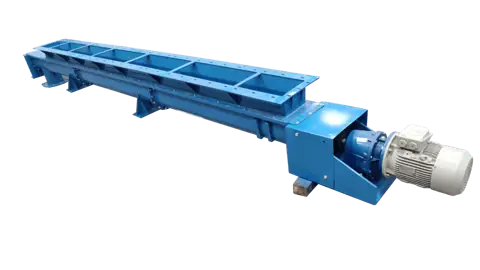
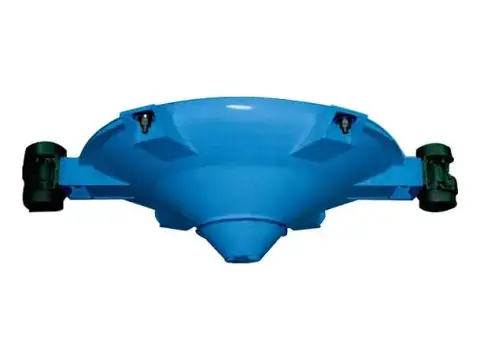
Depending on the process layout, an electromagnetic feeder may work alongside other bulk material handling equipment. Relevant products from Saksham Industrial Engineers include Screw Feeder, Rotary Feeder, Loss in Weight Feeder, Vibro Sifter and Bin Activator. These products can be considered where feeding, dosing, screening or controlled material discharge is required within the same process.