What is a Dust Conditioner used for?
A Dust Conditioner mixes dry dust or particulate material with controlled water to reduce dust dispersion and produce a more manageable damp material for handling or disposal.
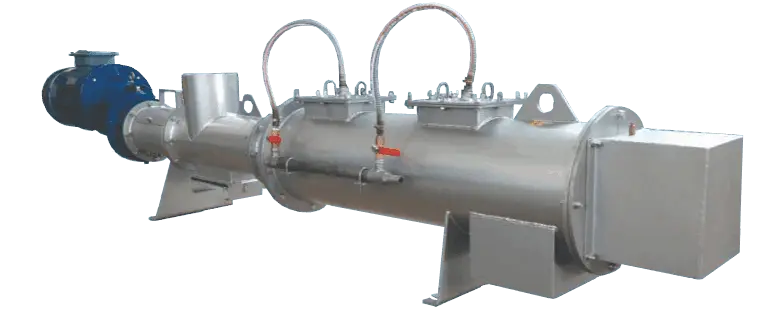
Dust Conditioner
Dust Conditioner
A Dust Conditioner is an industrial powder-handling machine designed to mix dry dust or fine particulate material with a controlled amount of water, reducing dust dispersion during handling, conveying or disposal. It is suitable for applications in cement, power, steel, foundry, chemical, fertilizer, mining and related plants where controlled moisture conditioning supports cleaner and easier material handling.
The system is particularly relevant to plants where maintaining controlled material movement is important. Instead of allowing collected dust to remain completely dry and easily dispersed, the conditioner introduces water while continuously mixing the material. The resulting conditioned material is easier to handle and can be integrated into an existing conveying or material-handling arrangement, subject to the plant layout and process requirements.
For buyers looking for Dust Conditioner Manufacturers in Noida, selection should be based on the material characteristics, required throughput, moisture requirement, installation arrangement and overall process objective rather than machine size alone.
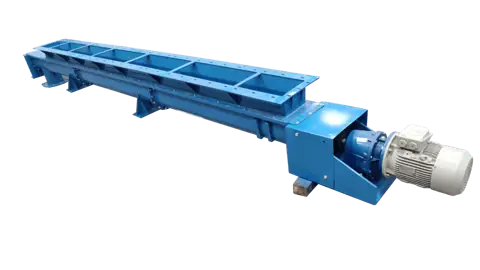
The Dust Conditioner consists primarily of a horizontal trough, an internally mounted shaft with a paddle or screw-type mixing arrangement, and a water spray system. The construction material can be selected as mild steel or stainless steel according to the application.
The horizontal body provides the working chamber in which the material is mixed. The rotating shaft and its mixing elements continuously move the dust through the conditioning zone while the spray arrangement introduces water. This basic configuration allows dry material and water to be brought together progressively rather than simply adding water at a single point.
The equipment is available in different designs, allowing the configuration to be considered according to plant requirements. Specific construction details, dimensions and customization requirements should be confirmed before manufacturing.
The working process can be understood in five straightforward stages:
The actual water quantity depends on the material and process requirement. Proper adjustment is important because insufficient moisture may not provide the desired conditioning, while excessive water can affect downstream handling. The appropriate operating parameters should therefore be established according to the application.
A Dust Conditioner is useful where dry collected dust needs to be conditioned before further handling. In cement and concrete plants, it can be used for managing dusty material generated during production and collection processes. Power-generation facilities can use conditioning equipment for suitable ash-handling applications.
Foundries and steel plants can also require controlled conditioning of particulate materials, particularly where dry dust handling creates dispersion concerns. Chemical and fertilizer facilities may use the equipment for compatible powder and particulate materials. Mining and quarry operations are additional applications where conditioning can support the controlled movement of dusty material.
Relevant industries include:
The suitability of the machine should always be evaluated against the characteristics of the actual material and the intended process.
The main practical benefit is controlled conditioning of dry dust before it is transported or disposed of. By adding water during mixing, the equipment helps reduce airborne dust dispersion and makes the conditioned material easier to manage.
Other benefits include more consistent moisture distribution, suitability for continuous material-handling arrangements, reduced dependence on manual wetting methods and compatibility with broader bulk-solid handling systems. The controlled spray arrangement can also help avoid unnecessary water addition when correctly adjusted for the application.
Performance depends on several factors, including material properties, feed rate, moisture requirement, mixing configuration, motor selection and operating conditions. The product information currently specifies a capacity range of 5 TPH to 50 TPH, mild steel or stainless-steel construction, a 3-phase 415 V power supply, motor power according to requirement, direct or chain drive and an adjustable nozzle spray water inlet system.
Routine inspection, cleaning and appropriate operating practices are important for maintaining dependable performance. Buyers should confirm the final configuration and operating parameters with the supplier before placing an order.
Before selecting a Dust Conditioner, buyers should provide clear information about the material and the intended process. Important considerations include:
A proper application review helps ensure that the selected configuration matches the plant's actual operating requirements.
Saksham Industrial Engineers was established in 2011 and provides bulk powder handling solutions, process automation equipment and technical consulting for industrial applications. The company operates from Noida and supplies equipment for different bulk-solid handling requirements, including Dust Conditioners. Its product range covers conveying, feeding, screening, unloading, mixing and associated powder-handling equipment.
For customers evaluating Dust Conditioner Manufacturers, Saksham Industrial Engineers can discuss application requirements, equipment configuration and customization needs before finalizing the machine. Buyers can provide their material type, capacity, plant arrangement and process requirements to determine a suitable configuration.
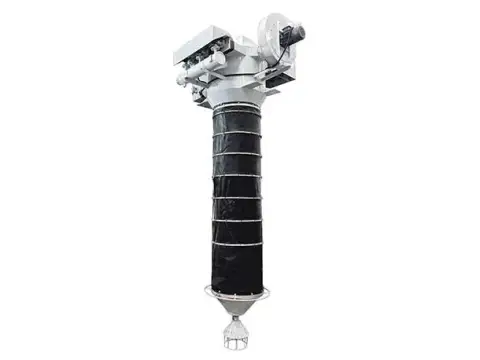
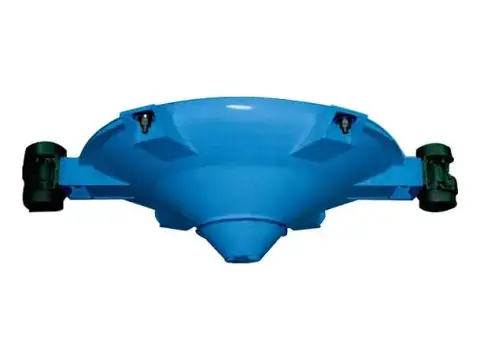
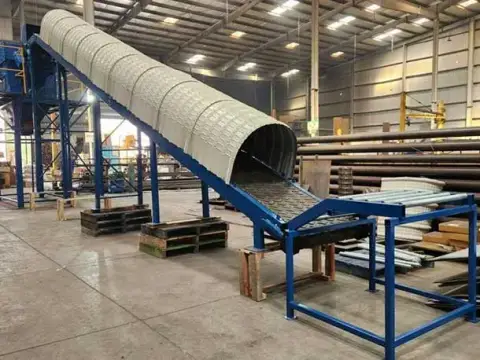
A Dust Conditioner can form part of a wider bulk material-handling system. Depending on the process, related Saksham Industrial Engineers equipment may include Ash Conditioner, Screw Conveyor, Rotary Airlock Valve, Bin Activator and Industrial Dust Filter. These products address complementary requirements such as conditioning, conveying, controlled feeding, material discharge and dust filtration.
For projects requiring Dust Conditioner Manufacturers in Noida, the final equipment selection should be based on the complete material-handling process rather than treating the conditioner as an isolated machine.
A Dust Conditioner mixes dry dust or particulate material with controlled water to reduce dust dispersion and produce a more manageable damp material for handling or disposal.
Dry material enters a horizontal mixing chamber, where a rotating screw or paddle arrangement continuously moves it while an adjustable nozzle spray introduces water. The material is mixed until it reaches the required conditioning level before discharge.
Yes. The machine uses an adjustable nozzle spray water inlet system. The appropriate water addition should be determined according to the material characteristics and required conditioning level.
The available product information specifies a capacity range of 5 TPH to 50 TPH. The appropriate capacity should be selected according to the plant's actual material flow requirement.
Typical applications include cement and concrete plants, power-generation units, foundries, steel plants, chemical and fertilizer facilities, and mining or quarry operations where dusty material requires controlled conditioning.
The Dust Conditioner is available in mild steel or stainless steel construction. The suitable material should be selected according to the application and operating requirements.
Yes, it can be considered for integration with existing conveying or dust-handling arrangements. However, compatibility depends on the inlet, discharge, capacity, layout and operating requirements of the existing system.
Consider the material being handled, required capacity, moisture requirement, construction material, plant layout, operating conditions, drive arrangement and downstream conveying or disposal method. Providing these details helps the manufacturer recommend a suitable configuration.
The commercial price depends on the required configuration, capacity, construction and application requirements. Buyers should share their technical requirements with Saksham Industrial Engineers for a product-specific quotation.
There is no single manufacturer that can objectively be called the best for every application. Saksham Industrial Engineers is a Noida-serving supplier of Dust Conditioners and bulk powder-handling equipment, established in 2011, and can evaluate the application requirements and provide a suitable equipment configuration.
Customer reviews
★ 0.0 (0 reviews)
Loading reviews...
Similar Picks