What is a Dry Mix Mortar Plant?
A Dry Mix Mortar Plant is a production system that combines dry raw materials such as cement, sand, fly ash and chemical additives in controlled proportions to produce uniform dry mortar for construction applications.
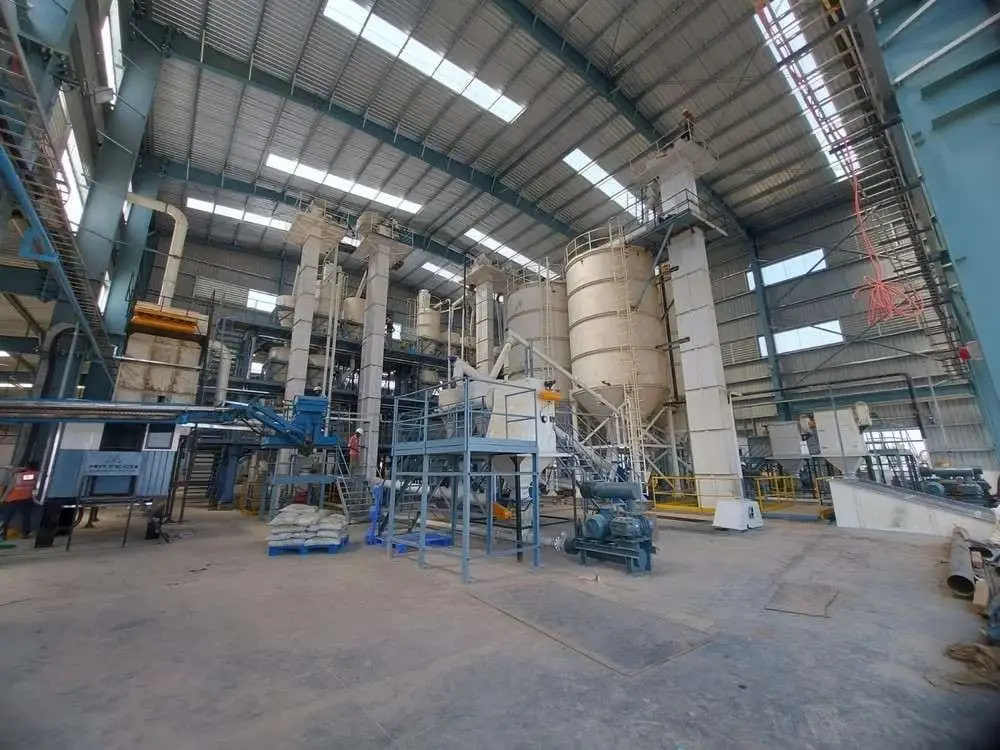
Mortar Plant
Dry Mix Mortar Plant
A Dry Mix Mortar Plant is an automated production system designed to accurately blend cement, sand, fly ash and chemical additives into uniform dry mortar. It is suitable for producing mixes used in plastering, masonry, tile adhesives, grouting, decorative finishing and repair work. The plant helps reduce manual handling, maintain consistent batching and support efficient mortar production for construction-related requirements.
A Dry Mix Mortar Plant is a material processing and mixing system used to prepare dry, ready-to-use mortar formulations by combining selected raw materials in controlled proportions. The system is designed for construction applications where consistent material composition and repeatable production are important.
Instead of depending entirely on manual mixing, the plant brings material storage, feeding, dosing and mixing into an organized production process. Cement, sand, fly ash and chemical additives can be handled through the plant according to the required formulation. The finished dry mortar can then be prepared for applications such as plastering, masonry, tile adhesives, grouts, decorative finishing and repair mortars.
For buyers looking for Dry Mix Mortar Plant Manufacturers in Raipur, the suitability of a plant should be assessed according to the intended product, required production capacity, available installation space and operating method.
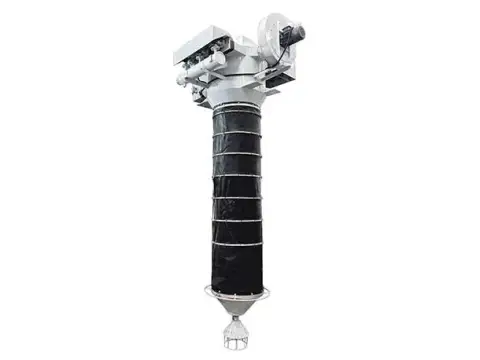
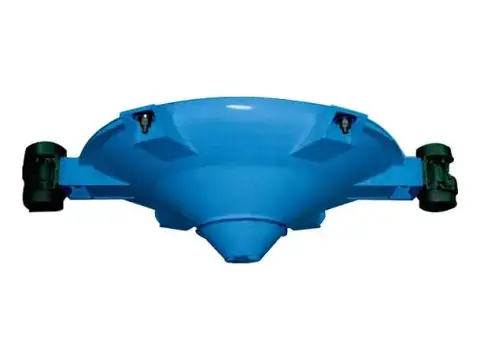
The plant combines raw-material storage, material feeding, mixing and dust collection equipment into an integrated production arrangement. Storage silos and hoppers can be used for holding the required raw materials before they enter the mixing stage.
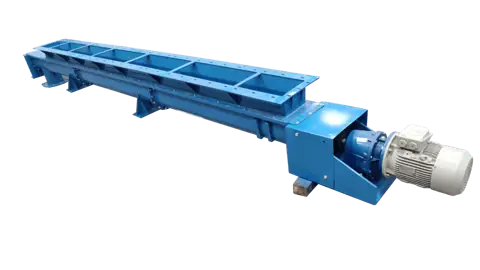
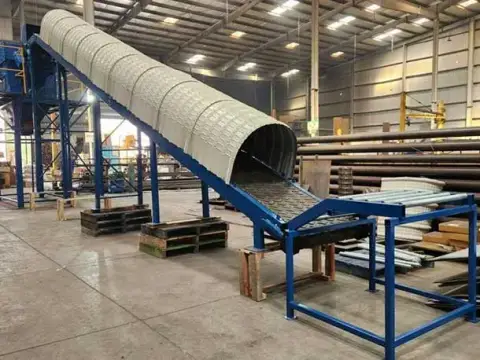
Material movement is handled through equipment such as screw conveyors and bucket elevators. The mixing section uses a PloughShear mixer to combine the ingredients. A PLC-based control system coordinates the plant operation, while the dust collection arrangement supports cleaner material handling.
The plant is available in different designs, allowing its configuration to be considered according to the production requirement and available installation area. Exact construction details, component specifications and customized configurations should be confirmed with Saksham Industrial Engineers before purchase.
The basic working sequence of the plant is as follows:
The exact sequence and automation level can vary with the selected plant configuration.
Dry mortar production is useful wherever construction materials need to be prepared in controlled, repeatable formulations. The plant can support production of mortar for wall and floor plastering, where consistent dry material composition is important.
It can also be used for masonry applications, helping prepare dry mortar for construction work involving blocks, bricks and related masonry operations. Formulations for tile adhesives and grouts can be produced where the required ingredients and recipe are compatible with the plant configuration.
Other applications include decorative finishing and repair mortars, where controlled blending of dry ingredients is required before the material reaches the point of use.
The equipment is relevant to:
The exact suitability depends on the required mortar formulation, production volume and plant configuration.
A properly selected plant can provide several practical advantages for mortar production:
Plant performance depends on several factors, including raw-material characteristics, formulation, selected capacity, operating conditions and maintenance practices. The available plant specifications indicate capacities from 5 to 60 TPH, with power requirements of approximately 50–120 kW depending on capacity.
The plant is offered with automatic or semi-automatic operating options. Its material-feeding arrangement includes screw conveyors and bucket elevators, while the mixing system uses a PloughShear mixer. Pulse jet bag filters are specified for dust collection.
For reliable operation, buyers should maintain feeding, mixing and dust-collection equipment according to the manufacturer's recommendations. Detailed component selection and operating parameters should be confirmed for the proposed application before finalization.
Before purchasing a dry mortar production plant, buyers should evaluate the following points:
Saksham Industrial Engineers is a Noida-based supplier and consultant working with bulk powder handling solutions and related industrial equipment. The company was established in 2011 and provides technical consultancy along with equipment solutions.
Its Dry Mix Mortar Plant offering is available in different configurations and can be discussed according to customer-specific requirements. The company provides technical support and service assistance, while its product range also covers equipment used for powder handling, feeding, conveying, mixing and related processes.
For buyers evaluating Dry Mix Mortar Plant Manufacturers, Saksham Industrial Engineers can be approached to discuss plant capacity, configuration, application requirements and customization needs before finalizing the equipment.
Several products from Saksham Industrial Engineers can complement a dry mortar production setup depending on the process requirement:
Exact integration between these products and a particular plant should be confirmed based on the proposed process layout and material characteristics.
A Dry Mix Mortar Plant is a production system that combines dry raw materials such as cement, sand, fly ash and chemical additives in controlled proportions to produce uniform dry mortar for construction applications.
The product information specifies cement, sand, fly ash and chemical additives as raw materials. The exact formulation and material suitability should be confirmed according to the intended mortar product.
Raw materials are stored in silos or hoppers, transferred through feeding equipment, batched according to the required formulation and mixed in a PloughShear mixer. The finished dry mortar is then discharged for further handling or packaging.
The stated capacity range is 5 to 60 TPH (tons per hour). The appropriate capacity depends on the buyer's production requirement and plant configuration.
The plant can produce dry mortar for wall and floor plastering, masonry work, tile adhesives and grouts, decorative finishing and repair-mortar applications.
Yes. The plant is available with a fully automated PLC-based control system, and automatic as well as semi-automatic operating options are specified.
Consider required production capacity, mortar formulation, raw-material characteristics, available installation space, power availability, preferred automation level, dust-collection requirements and the desired material-feeding arrangement.
Yes. The product information states that customized plants are available based on customer requirements. Buyers should discuss their formulation, capacity, layout and operating conditions with Saksham Industrial Engineers before finalizing the configuration.
The current product information lists a starting price of approximately ₹20,00,000, while the final cost can vary with capacity and configuration. For an accurate commercial quotation, buyers should share their required capacity, application and plant requirements with the supplier.
There is no objective basis to designate a single manufacturer as the “best” without comparing the buyer's specific requirements. Saksham Industrial Engineers is an established industrial equipment supplier and consultant, with its company history dating to 2011, and offers Dry Mix Mortar Plants with technical consultancy and customization options. Buyers should evaluate capacity, configuration, application suitability, support and commercial terms before making a final selection.
Customer reviews
★ 0.0 (0 reviews)
Loading reviews...
Similar Picks