Dust Suppression Hopper System Manufacturers in Raipur
A Dust Suppression Hopper System is an industrial solution designed to control dust released during bulk-material handling and transfer operations. When powders, granules or raw materials are discharged, falling material can create airborne dust that affects the surrounding work area and makes material-handling operations more difficult to manage.
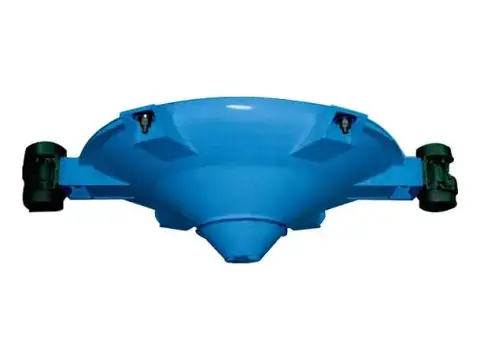
The system addresses this requirement by combining a hopper arrangement with dust-suppression technology based on atomizing nozzles. Fine water droplets interact with airborne dust particles close to the point where dust is generated, helping suppress their movement before they spread through the surrounding area.
Saksham Industrial Engineers supplies Dust Suppression Hopper Systems in Raipur for applications involving materials such as cement, coal, ores, slag, ash and powder-based raw materials. The hopper design can be customized according to the material-handling requirement and capacity.
Key Features
-
Atomizing nozzles: Fine water droplets are used to capture and suppress dust particles at the source.
-
Customized hopper design: The hopper arrangement can be designed according to the material, capacity and handling requirement.
-
Mild steel or stainless steel construction: The available construction materials allow the equipment to be considered for different industrial operating conditions.
-
Fixed installation: The system is designed for installation at defined loading, unloading or transfer points.
-
Easy maintenance: The design supports routine inspection and nozzle cleaning to help maintain effective dust suppression.
Construction & Design
The construction of the system is selected according to the application and material-handling environment. The product page specifies mild steel or stainless steel as available materials of construction. Hopper geometry can be customized according to the material being handled and the required capacity.
The system can be installed at locations where dust generation is most likely to occur, including material loading and unloading points, chutes and conveyor transfer areas. Its fixed installation arrangement makes it suitable for integration into an established material-handling layout.
The available finish includes powder coating or painting for corrosion resistance. Final construction details should be confirmed against the specific material, operating environment and plant layout before ordering.
Working Process
The operating principle is straightforward:
-
Material enters the hopper: Bulk material is loaded or transferred through the hopper arrangement.
-
Dust is generated: Movement and discharge of the material can release fine particles into the surrounding air.
-
Suppression begins at the source: Atomizing nozzles produce fine water droplets around the dust-generating area.
-
Dust particles are captured: The droplets interact with airborne dust, helping suppress the particles and reduce their dispersion.
-
Controlled material transfer continues: The material proceeds through the intended handling route while dust is controlled around the transfer point.
-
Routine inspection is performed: Nozzles and associated components should be checked and cleaned periodically as part of normal maintenance.
This source-control approach is particularly useful where dust needs to be addressed directly at a material-transfer location rather than after it has dispersed across the plant.
Industrial Applications
A Dust Suppression Hopper System can be used wherever bulk material movement creates a significant dust-generation point.
In cement plants, it can be positioned around clinker and raw-material handling operations. In power plants, it can support dust control during coal and ash management. For mining and quarrying operations, the system can be applied around ore transfer points where material movement produces airborne particles.
In steel plants, it can be used for slag and raw-material loading applications. The system is also relevant to chemical and food-processing facilities handling suitable powder-based raw materials, subject to the material characteristics and application requirements.
Industries Served
Relevant industries include:
-
Cement and building-material plants
-
Mining and quarrying
-
Power generation
-
Steel and metal processing
-
Chemical processing
-
Selected food-processing applications involving powder materials
-
Construction-material handling
The suitability of the system should be evaluated against the characteristics of the specific material and the intended operating point.
Key Benefits
The main practical advantage of this equipment is that it addresses dust close to its generation point. This can help improve housekeeping and working conditions around bulk-material transfer areas.
Other useful benefits include:
-
Helps reduce airborne dust during material handling
-
Supports cleaner working areas around transfer points
-
Can contribute to better workplace air quality
-
Suitable for different bulk-material applications
-
Can be customized for material and capacity requirements
-
Designed for both indoor and outdoor industrial environments
-
Supports integration into fixed material-handling arrangements
-
Requires routine maintenance such as inspection and nozzle cleaning
The actual dust-control performance depends on factors such as material characteristics, installation arrangement, operating conditions and system configuration.
Performance & Reliability
Reliable operation depends on selecting the hopper arrangement and suppression system according to the application. Material properties, transfer conditions, required capacity and installation location should therefore be considered during system selection.
The product information specifies a capacity of up to 200 TPH, while the actual suitable capacity should be confirmed for the proposed application. The system is available with mild steel or stainless steel construction and can have a powder-coated or painted finish.
Regular inspection of the suppression arrangement, particularly the atomizing nozzles, is important for maintaining consistent operation. Saksham Industrial Engineers also states that its products undergo quality checks and are supplied with warranty coverage.
Buyer Selection Guide
Before purchasing, industrial buyers should provide clear information about the intended application. Important considerations include:
-
Material: Identify whether the system will handle cement, coal, ore, ash, slag, chemical powders or another bulk material.
-
Required capacity: Specify the expected material flow rate so the hopper can be appropriately configured.
-
Dust characteristics: Particle size and the amount of dust generated influence the suppression arrangement.
-
Installation location: Confirm whether the system will be positioned at a hopper, chute, conveyor transfer point or another loading/unloading area.
-
Construction material: Select mild steel or stainless steel according to the operating environment and material requirements.
-
Plant layout: Available space, inlet/outlet arrangements and connection points should be considered.
-
Operating environment: Indoor or outdoor installation and exposure to environmental conditions should be communicated before final design.
-
Automation requirements: If automatic operation or PLC integration is required, this should be discussed during technical consultation.
Providing these details allows the manufacturer or supplier to assess the application before finalizing the design.
Why Choose Saksham Industrial Engineers
Saksham Industrial Engineers was established in 2011 and operates as a supplier and technical consultant for powder-handling and industrial solutions. The company states that it works with global partners and provides technical and service support for industrial requirements.
For buyers looking for Dust Suppression Hopper System Manufacturers in Raipur, Saksham Industrial Engineers offers customized hopper designs based on material and capacity requirements. The company also provides installation and technical consultation, helping buyers evaluate the equipment according to their material-handling application.
For a project-specific proposal, buyers should share the material type, expected capacity, installation location and operating requirements so the appropriate configuration can be assessed.
Related Products
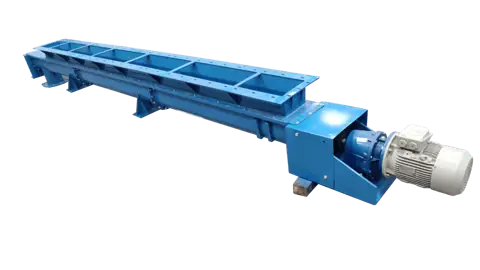
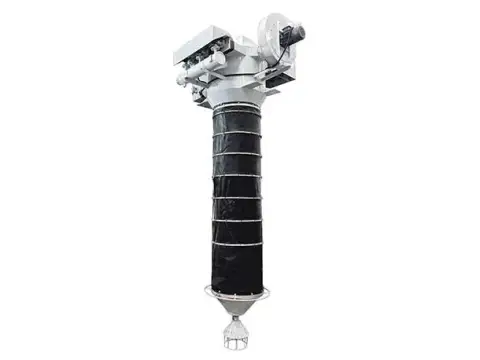
Dust suppression is often part of a larger bulk-material handling system. Depending on the plant arrangement, buyers may also consider related Saksham Industrial Engineers products such as Industrial Dust Filter, Silo Vent Filter, Dust Conditioner, Bulk Loading Spout and Screw Conveyor. These products can be relevant at different stages of conveying, storage, loading and dust-management operations.