What is a Screw Feeder?
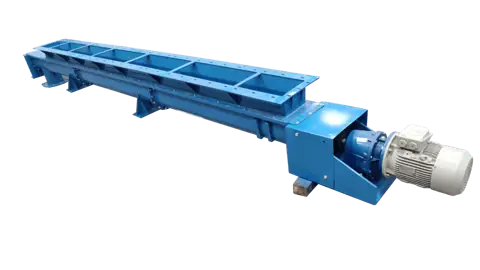
A Screw Feeder is a mechanical feeding machine used to move and regulate powders, granules and bulk solids from a hopper or material source to downstream process equipment at a controlled rate.
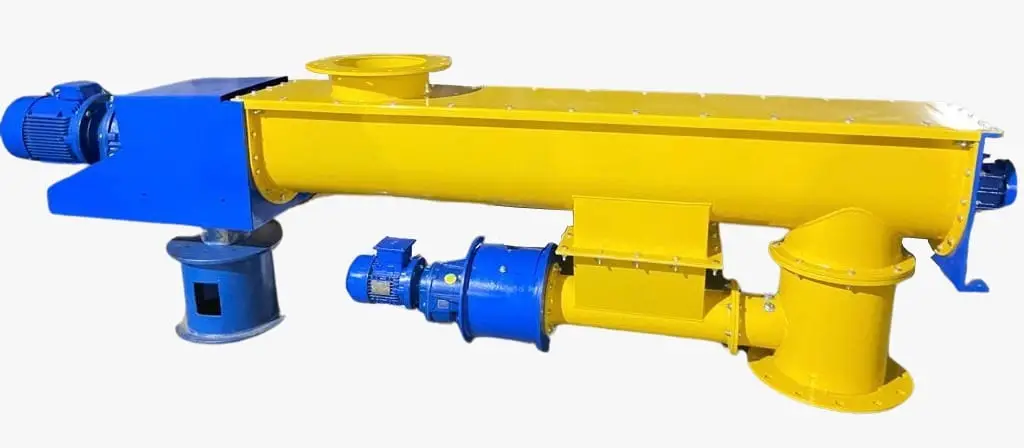
Screw Feeders
Screw Feeder
Saksham Industrial Engineers offers Screw Feeders for controlled handling and feeding of powders, granules and bulk solids into downstream processes. The equipment is useful for applications where a steady, regulated material flow is required for mixers, conveyors, packaging systems and other process equipment. Designed for industrial material handling, it supports efficient operation, reduced manual handling and consistent feeding.
A Screw Feeder is a mechanical material-handling machine used to regulate and transfer powders, granules and other bulk solids at a controlled rate. Unlike equipment used mainly for material transportation, a screw feeder is particularly useful when material needs to be introduced steadily into the next stage of a process. It can be used for feeding materials into mixers, conveyors, packaging machines and other downstream equipment.
Saksham Industrial Engineers provides screw feeding solutions for applications involving materials such as powders, granules, cement, chemicals, food ingredients and other bulk solids. Its compact design makes the equipment suitable for integration into different material-handling arrangements, while adjustable feeding speed can help operators regulate material flow according to process requirements.
For businesses looking for Screw Feeder Manufacturers in Raipur, selection should be based on the material characteristics, required feeding rate, equipment arrangement and process conditions rather than on machine size alone.
A screw feeder generally consists of a screw or auger assembly installed within a suitable housing, with an inlet for receiving material and an outlet for controlled discharge. The rotating screw moves material along the feeding path while the drive system determines the operating speed.
The construction material is an important consideration because different products have different handling and hygiene requirements. Saksham Industrial Engineers lists MS, SS304 and SS316 as available material-of-construction options for its screw feeder. Stainless steel construction can be considered for applications where cleanliness and material compatibility are important.
The feeder can also be configured according to the process layout, material properties and required feeding arrangement. Customization requirements should be finalized after reviewing the application.
The operating principle is straightforward:
The actual feeding performance depends on factors such as material characteristics, screw configuration, feeder dimensions, operating speed and required capacity.
Screw feeders are useful wherever powders, granules or bulk solids must be supplied to another process in a controlled manner. In a production plant, the equipment may receive material from a hopper or storage arrangement and feed it continuously or at a regulated rate into downstream machinery.
Typical applications include feeding raw materials into mixers, supplying ingredients to processing equipment, transferring chemicals into process systems, and feeding construction materials into plants. They can also be integrated with food-processing and packaging arrangements where appropriate material-of-construction and hygiene requirements are specified.
Relevant industries include:
These industries commonly handle powders, granules, additives and other bulk solids that require controlled feeding or transfer.
A properly selected screw feeder can provide several practical advantages:
Reliable screw-feeder operation depends on correct equipment selection, suitable construction and appropriate operating conditions. Material characteristics such as particle size, bulk density, flowability and cohesiveness can influence feeding behaviour and should therefore be considered during system selection.
Routine inspection, appropriate lubrication where required and checking the drive and screw assembly can help maintain dependable operation. Saksham Industrial Engineers also states that it provides installation, technical consultation and after-sales support for its material-handling solutions.
Before purchasing a screw feeder, an industrial buyer should provide clear information about:
This information enables the supplier to determine a suitable feeder configuration rather than selecting equipment only on the basis of price.
Saksham Industrial Engineers was established in 2011 and operates as a supplier and technical consultant for powder-handling and bulk-material solutions. The company provides equipment for applications across industries and works with global partnerships for industrial handling solutions. Its listed services include installation, technical consultation and after-sales support.
For buyers evaluating Screw Feeder Manufacturers, Saksham Industrial Engineers can assist with application understanding, equipment selection and customization based on the material and process requirements. The company's product range also includes several complementary conveying, feeding and bulk-material-handling systems.
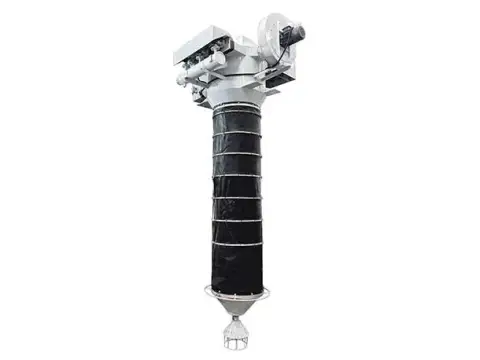
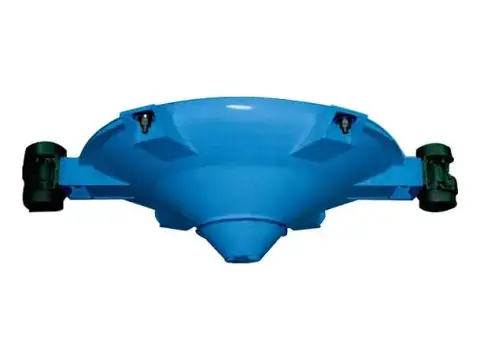
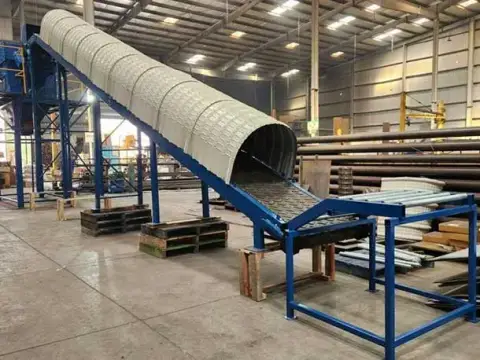
Depending on the plant application, buyers may also consider:
A Screw Feeder is a mechanical feeding machine used to move and regulate powders, granules and bulk solids from a hopper or material source to downstream process equipment at a controlled rate.
Material enters the feeder through an inlet. A rotating screw moves the material through the housing toward the discharge point. Where variable-speed control is provided, the screw speed can be adjusted to regulate material flow.
Screw feeders can be used for powders, granules and bulk solids. Applications listed for Saksham Industrial Engineers include materials such as cement, chemicals, food ingredients and plastic-related bulk materials.
A screw feeder is primarily intended to control or regulate material feeding, particularly at the inlet of a process. A screw conveyor is generally used to transport bulk material from one location to another.
Yes. Saksham Industrial Engineers states that screw feeders can be equipped with variable frequency drives (VFDs) for adjustable speed control, subject to the selected configuration.
Common applications include food processing, pharmaceuticals, chemicals, plastics and construction-material manufacturing, particularly where powders, granules or other bulk solids need controlled feeding.
Consider the material type, bulk density, flowability, required feeding rate, screw configuration, construction material, plant layout, operating conditions and the equipment receiving the material. Providing these details to the manufacturer helps determine a suitable configuration.
Yes. Saksham Industrial Engineers states that its screw-feeder solutions can be customized according to industry requirements. The required configuration should be finalized after reviewing the material and process conditions.
Industrial buyers should provide the material details, required capacity, application, construction preference, plant layout and downstream equipment requirements to the supplier. Saksham Industrial Engineers provides technical consultation and supports equipment selection and related industrial requirements.
There is no single manufacturer that is objectively the best for every application. Buyers should compare technical suitability, construction, customization, support and application experience. Saksham Industrial Engineers is a relevant option for buyers seeking screw-feeding and bulk-material-handling solutions, with technical consultation, customization and after-sales support available.
Customer reviews
★ 0.0 (0 reviews)
Loading reviews...
Similar Picks