Vibrating Bin Aerators Manufacturers in Rajkot
Vibrating Bin Aerators are designed to support smooth and consistent material discharge from bins, hoppers and silos. Fine powders and granular materials can sometimes form bridges, develop rat-holes or become difficult to discharge because of their flow characteristics. These interruptions can affect material feeding and may require manual intervention.
The aerator addresses this flow problem by using vibration together with low-pressure compressed air. The resulting action helps loosen material around the discharge area so that it can move more consistently through the outlet. This makes Vibrating Bin Aerators useful wherever reliable powder or granular material flow is an important part of the handling process.
Saksham Industrial Engineers supplies Vibrating Bin Aerators in Rajkot for applications across powder and bulk-material handling operations.
Key Features
- Compact installation – The compact design allows the aerator to be installed on suitable bin or hopper arrangements without requiring a large equipment footprint.
- Suitable for powders and granules – The product is intended for materials that are prone to flow interruptions, including fine powders and granular products.
- Low-pressure operation – The available product specification indicates an operating pressure range of 1 to 6 bar.
- Corrosion-resistant construction options – Silicone, polymer and aluminium body options are specified for the product.
- External or internal mounting – Depending on the equipment arrangement, the aerator can be mounted externally or internally on hopper walls.
Construction & Design
The construction of a Vibrating Bin Aerator is designed around a durable aerating and vibrating element that interacts with the stored material through the bin or hopper wall. The product page specifies silicone, polymer or aluminium body options, with threaded or flanged connections depending on the configuration.
Different installation arrangements can be considered according to the hopper design and material-handling requirement. The specified product sizes range from 4 to 8 inches in diameter. Vibration frequency is adjustable according to the model, allowing the equipment configuration to be selected according to the intended application.
For applications involving elevated material temperatures, the available specification indicates models capable of handling temperatures up to 200°C. The exact construction and model selection should be confirmed against the material and operating conditions before purchase.
Working Process
The operating principle is straightforward:
- Material enters the bin or hopper – Powder or granular material is stored inside the vessel before being discharged.
- Flow resistance develops – Depending on the material, bridging, clogging or rat-holing may restrict movement toward the outlet.
- Compressed air is supplied – The aerator operates using compressed air within the specified operating range.
- Air and vibration act on the material – The aerator releases air and produces vibration to disturb compacted or poorly flowing material near the hopper wall.
- Material movement improves – The combined action helps loosen the material and promotes more uniform movement toward the discharge point.
- Continuous discharge is supported – With appropriate positioning and operating conditions, the system helps maintain a more consistent material flow.
The number and positioning of aerators required depends on the vessel design, material characteristics and flow problem. Large bins may require multiple units for more uniform flow assistance.
Industrial Applications
Vibrating Bin Aerators are particularly useful where stored bulk materials have a tendency to stop flowing or discharge unevenly.
In cement and construction applications, they can assist the movement of materials such as cement and lime from storage vessels. In food processing, they can be considered for suitable powdered or granular ingredients where uninterrupted discharge is required.
For pharmaceutical applications, controlled powder handling may require equipment that helps reduce material-flow interruptions. In plastics and chemical processing, aerators can support the discharge of suitable powders and plastic granules. They are also applicable to mining and mineral handling operations involving bulk materials that may experience flow difficulties.
The suitability of the product should always be assessed against the specific material properties and process conditions.
Industries Served
Relevant industries include:
- Cement and construction
- Food processing
- Pharmaceuticals
- Plastics and chemicals
- Mining and minerals
Key Benefits
Vibrating Bin Aerators can provide several practical benefits in bulk-material handling systems:
- Help reduce bridging, clogging and rat-holing.
- Support more consistent material discharge.
- Reduce the need for manual intervention caused by flow interruptions.
- Operate using compressed air rather than an electrical power source.
- Offer installation flexibility through internal or external mounting.
- Can be considered for retrofit applications where an existing hopper requires additional flow assistance.
- Support more reliable operation of downstream feeding and conveying equipment when properly selected and installed.
Performance & Reliability
Performance depends on material characteristics, hopper geometry, aerator positioning, operating pressure and the overall discharge arrangement. The product specification lists an operating pressure of 1 to 6 bar and air consumption of approximately 0.05 to 0.3 m³/min.
The specified temperature capability is up to 200°C for applicable models, while vibration frequency is adjustable according to the model. Connection options include threaded and flanged arrangements, and sizes are specified from 4 to 8 inches in diameter.
The product page also states that the units undergo quality checks and are supplied with warranty coverage. Exact warranty terms and model-specific performance details should be confirmed with Saksham Industrial Engineers before procurement.
Buyer Selection Guide
Selecting the right aerator requires more than choosing a standard size. Buyers should provide information about the material being handled, including whether it is a powder or granular product and whether it is prone to bridging, rat-holing or clogging.
The hopper or silo dimensions and outlet arrangement are also important because they influence aerator positioning and the number of units required. Buyers should specify the required operating pressure, available compressed-air supply, material temperature and installation space.
Connection preference, mounting arrangement and required diameter should also be discussed. Where the material operates at elevated temperatures, the applicable model should be confirmed for the required temperature range.
For a new installation or retrofit, providing drawings or relevant equipment details can help determine the appropriate configuration. Information required before publishing: model-specific dimensions, exact vibration characteristics and application-specific selection criteria if required.
Why Choose Saksham Industrial Engineers
Saksham Industrial Engineers was founded in 2011 and provides powder-handling and material-flow solutions for industrial applications. The company offers Vibrating Bin Aerators along with a broader range of conveying, feeding, unloading, vibrating and flow-control equipment.
Its product range includes equipment for different stages of bulk-material handling, allowing buyers to discuss related requirements with the same supplier. The company also states that customized powder-handling and flow-control solutions are available.
For buyers sourcing Vibrating Bin Aerators Manufacturers in Rajkot, Saksham Industrial Engineers can provide product information, customization guidance and pricing based on the application and quantity requirement.
Related Products
Vibrating Bin Aerators are often considered alongside other bulk-material handling equipment. Depending on the process, relevant Saksham Industrial Engineers products include:
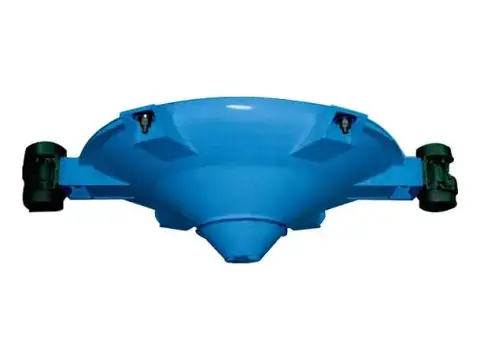
- Bin Activator – Useful for applications requiring assistance with material discharge from storage vessels.
- Fluidizing Pad – Relevant where air-assisted material flow is required for suitable bulk solids.
- Rotary Airlock Valve – Suitable for controlled discharge and feeding of bulk materials from hoppers or similar equipment.
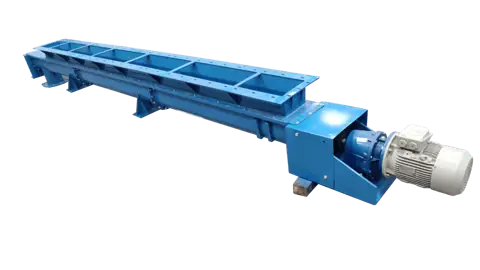
- Screw Feeder – Used where controlled mechanical feeding of bulk material is required.
- Pneumatic Vibrator – Another vibration-related product that may be considered depending on the equipment and application.
The appropriate combination depends on the material, vessel design and required feeding or discharge arrangement.