What is a Rotary Shaft Seal used for?
A Rotary Shaft Seal is used around a rotating shaft to help prevent process material from escaping and to protect surrounding mechanical areas from unwanted contamination.
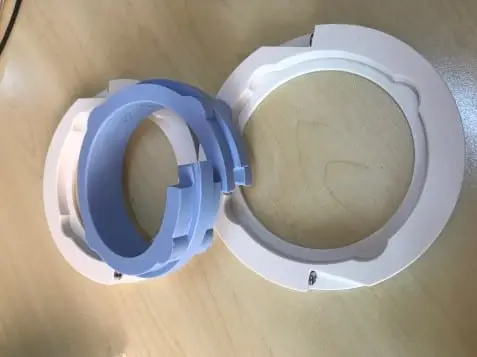
Shaft Seal
Rotary Shaft Seal
Rotary Shaft Seal is a sealing component designed for rotating equipment to control leakage and prevent dust, dirt, moisture, powders or slurries from entering critical mechanical areas. It is used around rotating shafts in industrial processing and material-handling equipment. Saksham Industrial Engineers supplies rotary shaft sealing solutions for applications where effective containment, reduced product loss and dependable equipment operation are required.
A Rotary Shaft Seal is designed to provide a controlled sealing interface around a rotating shaft while helping contain process material and protect mechanical components. In industrial equipment handling powders, slurries or bulk materials, an ineffective shaft seal can result in material leakage, contamination, housekeeping problems and increased maintenance requirements.
Saksham Industrial Engineers provides rotary shaft sealing solutions for rotating equipment used in industrial processing and bulk material handling applications. The product is particularly relevant where the rotating shaft passes through a housing or process chamber and a dependable barrier is required between the process area and surrounding mechanical components.
For buyers looking for Rotary Shaft Seal Manufacturers in Mumbai, selection should be based on the actual shaft arrangement, process material, operating conditions and equipment design rather than seal size alone.
The construction of a rotary shaft seal depends on the equipment, shaft arrangement and process conditions in which it will operate. The sealing assembly is positioned around the rotating shaft to create a controlled interface between the moving shaft and the stationary equipment housing.
Different sealing designs and material configurations can be selected according to the application. The manufacturer's product information identifies rotary shaft seals as being available in different designs and indicates material options including NBR, FKM, PTFE and silicone. Selection of the sealing material should therefore be matched to the process environment, temperature, pressure and fluid or material being handled.
For specialized applications, Information required before publishing. The exact construction, dimensions and configuration should be confirmed against the equipment and operating requirements before an order is finalized.
The working principle is straightforward:
Correct installation is important. Shaft condition, alignment, seal positioning and compatibility with the operating environment should be considered during installation.
Rotary Shaft Seals are useful wherever rotating equipment requires controlled sealing at a shaft penetration point. In bulk powder handling equipment, they can help contain process materials and reduce leakage around rotating assemblies.
Typical applications include processing and material-handling equipment associated with cement and concrete, chemicals and detergents, food processing, minerals, mining and plastics. Saksham Industrial Engineers serves these sectors with bulk powder handling, conveying, feeding, dosing and related industrial solutions.
The appropriate seal configuration depends on the machine and process. Buyers should provide equipment details rather than selecting a seal solely from a general application category.
Relevant industries include:
These sectors commonly use rotating machinery where containment of powders, slurries or other process materials is important.
A properly selected rotary shaft seal can provide several practical operational advantages:
The actual service life and performance depend on installation quality, shaft condition, operating conditions, material compatibility and maintenance practices.
Reliable performance begins with selecting a seal that matches the equipment and process. Important considerations include shaft speed, operating temperature, pressure, process material, contamination level and compatibility between the sealing material and the application.
The product information available from Saksham Industrial Engineers lists material options such as NBR, FKM, PTFE and silicone and identifies the seal for rotating applications. It also describes the product as suitable for applications requiring resistance to temperature variations and chemical exposure. Exact performance limits should be confirmed for the specific configuration before purchase.
Routine inspection should focus on leakage, seal condition, shaft surface condition and any changes in operating behavior. If the sealing interface becomes damaged or worn, replacement should be considered rather than continuing operation with an ineffective seal.
Before purchasing a rotary shaft seal, industrial buyers should provide the following information:
Providing accurate operating information allows the supplier to recommend a more appropriate sealing solution and helps avoid compatibility problems.
Saksham Industrial Engineers was established in 2011 and focuses on bulk powder handling and industrial process solutions. The company provides equipment and technical consultancy covering discharging, feeding, conveying, extraction, dosing and metering applications. Its stated industry coverage includes cement and concrete, paint, chemicals and detergents, food, minerals and plastics.
The company also works with European and Indian manufacturing partners and provides marketing, sales and service support. Its approach includes technical consultation and solutions tailored to process requirements. For rotary shaft sealing applications, this broader process-handling experience can be useful when the seal forms part of a larger conveying, feeding or processing system.
Depending on the equipment and process, buyers may also need related bulk material-handling equipment from Saksham Industrial Engineers, such as:
These products are part of the company's listed industrial product range and may be relevant when designing or maintaining a complete powder-handling process.
A Rotary Shaft Seal is used around a rotating shaft to help prevent process material from escaping and to protect surrounding mechanical areas from unwanted contamination.
The seal creates a controlled interface around the rotating shaft. During operation, it helps contain powders, slurries or other process materials while limiting the entry of external contaminants.
They are used in rotating industrial equipment, including machinery associated with bulk powder handling, chemical processing, food processing, cement, minerals, mining and plastics applications.
The product information lists NBR, FKM, PTFE and silicone among the available material options. The appropriate material should be selected according to temperature, pressure, process material and chemical compatibility.
Yes. Saksham Industrial Engineers' product information identifies rotary shaft sealing solutions for applications involving powders and slurries. The exact seal configuration should be selected according to the equipment and process conditions.
Check the shaft diameter, operating speed, temperature, pressure, process material, chemical exposure, equipment arrangement and available installation space. These details help determine the appropriate seal design and material.
Incorrect selection, unsuitable material compatibility, improper installation, shaft wear, misalignment or operating conditions outside the seal's intended range can affect sealing performance.
It can be suitable for existing equipment when the seal dimensions, shaft arrangement and operating conditions are compatible. Buyers should provide the equipment and shaft details before ordering.
Contact Saksham Industrial Engineers with the shaft dimensions, equipment details, process material and operating conditions. The company can then assess the requirement and provide the appropriate product configuration and commercial information.
There is no single objectively “best” manufacturer for every application. Saksham Industrial Engineers is an established industrial solutions company, founded in 2011, with expertise in bulk powder handling, technical consultancy and related industrial equipment. Buyers should evaluate the supplier based on product suitability, technical support, application knowledge and after-sales requirements.
Customer reviews
★ 0.0 (0 reviews)
Loading reviews...
Similar Picks